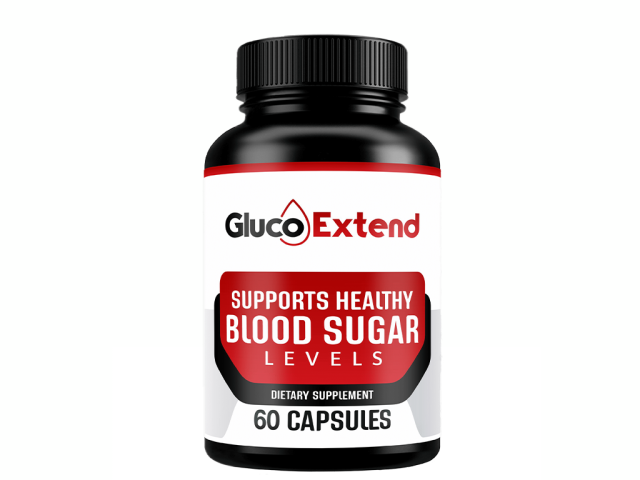
We prioritize official labels and order pages for product facts, regulators for regulatory questions, and peer-reviewed research for clinical evidence.
Research Workflow
We begin by separating product identity, seller claims, ingredient list, price and guarantee information. We then map each important claim to the strongest source type available and flag anything that cannot be independently verified.
Source Hierarchy for Scientific Claims
For health and ingredient questions, we prefer systematic reviews, meta-analyses, clinical trials, government or academic sources over blogs, testimonials or affiliate pages. Seller materials are used mainly for seller-controlled facts such as package options and stated policies.
Claim Tags
Our internal review process distinguishes verified product facts, seller claims, ingredient-level evidence, user anecdotes and unresolved statements. These categories are not treated as interchangeable.
Evidence Escalation Audit
The stronger or more specific a health claim is, the stronger the supporting evidence should be. If only indirect ingredient evidence exists, the wording is kept correspondingly limited.
Zero-Trust Review
We do not assume a marketing statement is correct merely because it appears on an official-looking page. Pricing, guarantees, formula descriptions and health claims are checked separately, and uncertainty is stated when verification is incomplete.
Sources & References
Citations are placed near claims where useful. We avoid using a seller page as the sole authority for scientific efficacy or safety conclusions when independent evidence is available.
Related Research
Editorial owner: GlucoExtend Reviews Editorial Team · Last reviewed: October 5, 2026