Short Answer
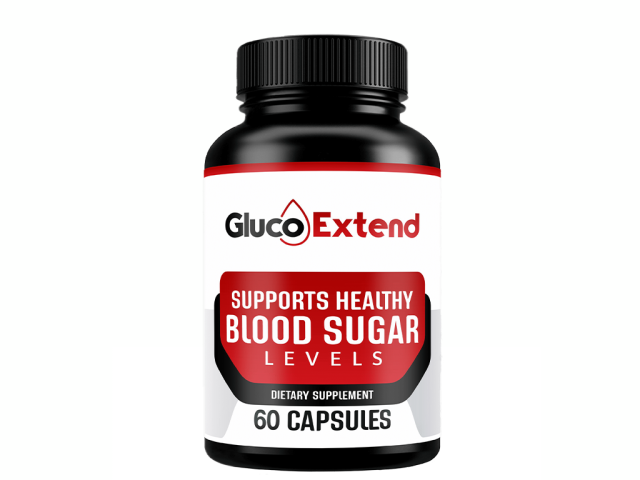
We found ingredient-level reasons for scientific interest, but not direct evidence that the exact commercial GlucoExtend formula reliably produces a specific glucose outcome.
Ingredient Evidence vs Product Evidence
Studies on berberine, gymnema or cinnamon do not automatically validate a mixed supplement. To bridge that gap, the finished product would need direct clinical testing at the marketed serving.
Why Dose Matters
A trial result is only comparable when ingredient form and amount are reasonably similar. Undisclosed or changing doses make that comparison uncertain.
Blood Sugar Is a Medical Metric
Fasting glucose and HbA1c can reflect diabetes risk and treatment response. Persistent abnormalities deserve medical evaluation rather than reliance on supplement marketing.
Medication Context
Combining glucose-active supplements with insulin or other glucose-lowering medication can raise the risk of low blood sugar. A clinician or pharmacist can help assess interactions.
What Would Increase Confidence
- Published full label and doses
- Batch testing
- Prospective randomized trial of the finished formula
- Predefined outcomes such as fasting glucose and HbA1c
Marketing Claims to Treat Carefully
Claims about “reversing,” “curing,” or outperforming diabetes medication require rigorous clinical evidence. We do not treat affiliate copy as proof.
Who Might Still Consider It
Adults without contraindications who understand the uncertainty may choose to discuss it with their clinician as an adjunct to, not a replacement for, evidence-based care.
Our Verdict
Potentially interesting ingredients do not equal proven finished-product efficacy. The evidence gap should be part of any buying decision.
Sources & References
- GlucoExtend affiliate program and disclosure information
- FDA: Dietary Supplements
- NIH ODS: Chromium
- PubMed: berberine and glucose reviews
Related Research
Editorial owner: GlucoExtend Reviews Editorial Team · Last reviewed: October 5, 2026